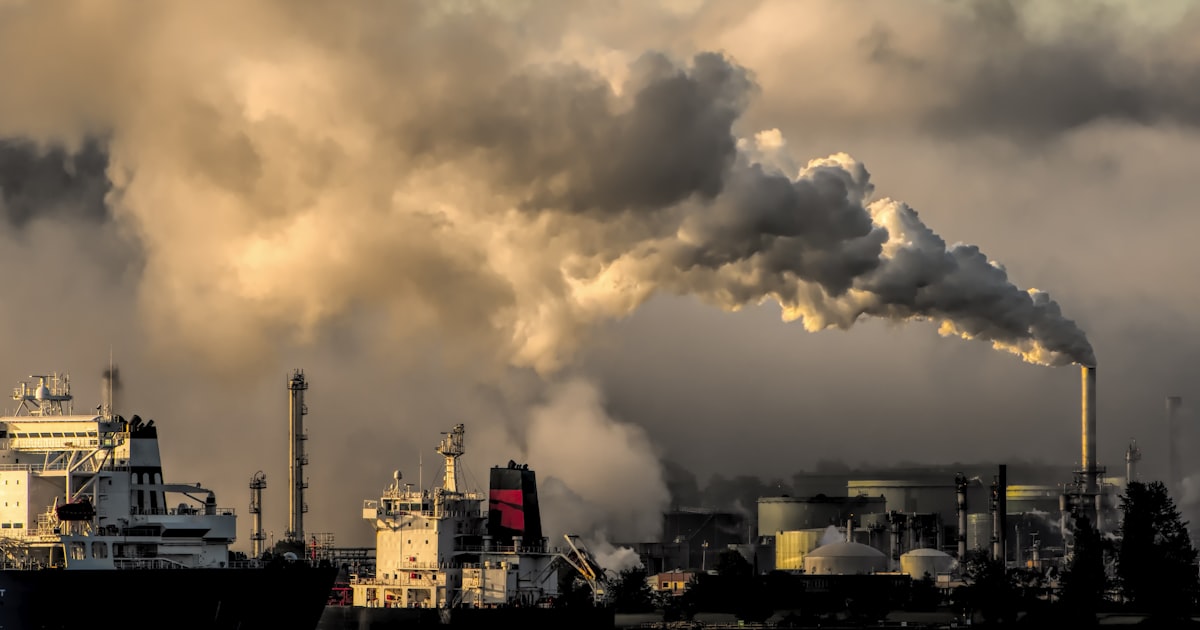
A child plays in Delhi's winter smog. By noon, she develops a cough. Her parents dismiss it as seasonal pollution, not realising that repeated exposure to fine particulates has already begun silently damaging her lungs. This scene repeats across Indian cities every winter—a public health emergency hiding in plain sight. Today, all 1.4 billion Indians breathe air that exceeds WHO safety standards. In 2019 alone, air pollution caused 980,000 deaths in India, with economic losses estimated at ₹28.8 billion. Yet most of us don't fully understand what we're breathing or how it harms us. This guide uncovers the science of air pollution in India—what PM2.5 really is, how it damages lungs, heart, and brain, which tests can detect that damage, and practical steps to protect yourself and your family.
What Is PM2.5 and AQI? Understanding Air Pollution in India
Air pollution is complex. The air quality index (AQI)—the number you see on weather apps—simplifies this into a single score. To understand your health risk, you need to know what you're actually breathing.
PM2.5: The Invisible Killer
PM2.5 refers to particulate matter smaller than 2.5 micrometres in diameter. To visualise this: a human hair is about 70 micrometres wide. PM2.5 particles are 28 times smaller. Because they're so tiny, they bypass your nose's natural filtering system and travel deep into your lungs—down to the alveoli (air sacs) where oxygen is absorbed. Once there, these particles trigger inflammation, oxidative stress, and systemic damage.
PM2.5 in Indian cities comes from multiple sources:
- Vehicle emissions: Exhausts from cars, buses, trucks releasing nitrogen oxides and soot
- Coal-fired power plants: Burning coal for electricity releases fly ash and heavy metals
- Industrial emissions: Brick kilns, steel mills, cement factories emit particulates and gases
- Crop burning: Farmers in Punjab and Haryana burn rice and wheat stubble (October–November), creating a hazardous haze across North India
- Construction dust: Demolition and building activities release silica and cement particles
- Biomass burning: Cooking fires in rural homes and urban slums using wood, dung, or coal
- Dust from unpaved roads and soil erosion
India's PM2.5 crisis by the numbers:
- India's average PM2.5 in 2025 was 48.9 µg/m³—nearly 9.78 times the WHO annual guideline of 5 µg/m³
- Delhi regularly breaches 100+ µg/m³ in winter; on November 12, 2024, Delhi's AQI hit 1,200 (severe to hazardous)
- Kolkata and Delhi rank among the world's most polluted cities
- Other Indian cities—Ghaziabad, Patna, Agra, Muzaffarpur, Srinagar, Jaipur, Jodhpur—consistently exceed safe limits
The Air Quality Index (AQI) Scale
The AQI translates PM2.5 (and other pollutants) into a 0–500 scale that tells you when to stay indoors:
| AQI Range | Category | Health Effect | Recommendation |
|---|---|---|---|
| 0–50 | Good | No health impact | Safe for all outdoor activities |
| 51–100 | Satisfactory | No health impact for general population; sensitive groups minimally affected | Safe for most; vulnerable groups limit exertion |
| 101–200 | Moderately Polluted | Health impact for vulnerable groups (children, elderly, asthmatics); general population unaffected | Vulnerable groups reduce outdoor time |
| 201–300 | Poor | Impacts general population; everyone advised to limit outdoor activity | Limit outdoor activities; wear N95 mask if outside |
| 301–400 | Very Poor | Health emergency; everyone at risk | Stay indoors; use air purifier; wear N95 if unavoidable |
| 401–500 | Severe/Hazardous | Life-threatening; emergency conditions | Stay indoors; schools/offices close |
Check AQI daily using apps like IQAir, AirVisual, or the Government of India's official AQI portal. During crop-burning season (October–November) and winter months, North Indian cities regularly enter the "Poor" to "Severe" range.
How Does PM2.5 Damage Your Health? Lungs, Heart, and Brain
The health effects of long-term PM2.5 exposure are devastating and often irreversible.
Lung Damage: From Cough to Chronic Disease
PM2.5 particles embed in your lung's smallest airways and air sacs. This triggers:
Acute (immediate) effects:
- Cough and throat irritation
- Shortness of breath during exertion
- Wheezing
- Asthma attacks in susceptible individuals
- Reduced lung function (measurable on spirometry within days of pollution spikes)
Chronic (long-term) effects from prolonged exposure:
Asthma: Long-term PM2.5 exposure increases asthma risk by 50–200%. Pollution-triggered asthma attacks are extremely common in Indian cities, especially children. Schools across Delhi shut down during severe pollution episodes because asthma exacerbations spike 3–4 fold.
COPD (Chronic Obstructive Pulmonary Disease): Even without smoking, chronic exposure to PM2.5 can cause COPD—a progressive, irreversible disease involving airway narrowing and emphysema. An estimated 20 lakh women in rural India develop "housewife's lung" from cooking over biomass fires, a condition clinically indistinguishable from smoking-related COPD.
Lung cancer: Exposure to PM2.5 is classified as carcinogenic. Epidemiological studies show that long-term residents in highly polluted cities face elevated lung cancer risk, even among lifelong non-smokers.
Pulmonary fibrosis: Chronic inflammation can lead to scarring of lung tissue (fibrosis), causing progressive shortness of breath.
Infections: Air pollution weakens immune function in the lungs, increasing susceptibility to pneumonia and tuberculosis.
Cardiovascular Damage: Silent Heart Attacks and Strokes
PM2.5 doesn't just damage lungs. Particles can cross from the lungs into the bloodstream, triggering systemic inflammation.
How PM2.5 harms the heart:
- Systemic inflammation and oxidative stress: Particles trigger production of harmful reactive oxygen species, causing inflammation throughout the body
- Atherosclerosis: Inflammation accelerates plaque formation in arteries
- Blood clotting: Air pollution increases blood viscosity and clotting tendency, raising heart attack risk
- Arrhythmias: Autonomic nervous system dysfunction from pollution exposure can trigger irregular heartbeats
- Reduced heart function: Long-term exposure weakens the heart's pumping ability
Health outcomes:
- Long-term PM2.5 exposure increases risk of ischemic heart disease, heart attacks, and sudden cardiac death
- Stroke risk increases significantly due to atherosclerosis and clotting
- Hypertension: Air pollution elevates blood pressure, a key cardiovascular risk factor
- Cor pulmonale: In advanced COPD patients, chronic hypoxia from pollution-induced lung disease causes right heart strain
In India, cardiovascular consequences of air pollution are staggering. Between 2019 and 2022, PM2.5-induced mortality from stroke and ischaemic heart disease increased substantially in five major Indian states.
Neurological Damage: Cognitive Decline and Mental Health
Emerging evidence reveals that PM2.5 crosses the blood-brain barrier, causing neuroinflammation and cognitive impairment.
Mechanisms:
- PM particles penetrate the olfactory bulb (smell centre) and migrate to the brain
- Inflammation and oxidative stress damage neurons
- Impaired development of neuronal connections in children's brains
Health effects:
- Cognitive impairment: Reduced memory, attention, and processing speed
- Alzheimer's disease: Long-term air pollution exposure is an established risk factor for neurodegenerative disease
- Anxiety and depression: Neuroinflammation increases risk of mental health disorders
- Developmental delays: Children exposed to high PM2.5 during critical brain development windows show reduced IQ and academic performance
India's vulnerable children: In polluted Indian cities, children show measurable reductions in lung function and cognitive performance compared to children in cleaner regions.
Reproductive and Metabolic Effects
Air pollution doesn't stop at individual organs. Systemic effects include:
- Adverse birth outcomes: Pregnant women exposed to high PM2.5 face increased risks of miscarriage, preterm birth, and low birth weight
- Type 2 diabetes: Chronic inflammation and oxidative stress from PM2.5 exposure increase diabetes risk
- Obesity: Air pollution disrupts metabolic regulation and increases weight gain risk
Health Tests to Monitor Air Pollution Damage
If you live in a polluted Indian city, periodic health screening can detect early damage before symptoms become severe. Here are the key tests recommended:
Spirometry (Lung Function Test)
Why: Measures lung capacity and airflow obstruction. Early detection of pollution-induced COPD or asthma can slow progression.
What it measures:
- FEV1 (Forced Expiratory Volume in 1 second): How much air you can exhale forcefully in 1 second
- FVC (Forced Vital Capacity): Total air you can exhale after maximum inhalation
- FEV1/FVC ratio: If <0.70, indicates airway obstruction
Normal values:
- FEV1/FVC >0.70 (70%)
- FEV1 >80% predicted for your age, height, sex
Cost: ₹500–1,500 (private); free at government hospitals
Frequency: Recommended every 1–2 years for residents in "Poor" to "Severe" AQI zones, especially if symptomatic (cough, breathlessness)
High-Resolution CT Chest (HRCT)
Why: Detects structural lung changes (emphysema, bronchiectasis, fibrosis) caused by chronic pollution exposure.
Cost: ₹2,000–5,000
Frequency: Consider if spirometry is abnormal or symptoms worsen
Pulse Oximetry (SpO2)
Why: Measures blood oxygen saturation. Low SpO2 suggests significant lung damage.
Normal: 95–100%
Concerning values:
- 90–94%: Mild hypoxaemia
- <90%: Significant hypoxaemia requiring evaluation
- <85%: Emergency
Cost: ₹50–200 (device); ₹100–300 (single test)
Frequency: At home if experiencing shortness of breath; annually if living in polluted area
Chest X-Ray
Why: Assesses lung structure; identifies pneumonia, TB, or emphysema.
Cost: ₹300–800
Frequency: When spirometry is abnormal or symptoms suggest lung disease
Blood Tests for Systemic Effects
Complete Blood Count (CBC):
- Elevated eosinophils (>400/μL) suggest allergic airway disease
- Cost: ₹200–400
Lipid Profile:
- Air pollution accelerates atherosclerosis; check cholesterol and triglycerides
- Cost: ₹300–600
Blood Pressure Monitoring:
- Essential; air pollution elevates hypertension risk
- Cost: ₹100–200 (home device); free at clinics
High-Sensitivity C-Reactive Protein (hsCRP):
- Marker of systemic inflammation; elevated in chronic air pollution exposure
- Cost: ₹500–1,000
Troponin (if chest symptoms):
- Rules out heart attack in symptomatic patients
- Cost: ₹500–1,500
Cardiac Assessment (if symptoms or abnormal tests)
Electrocardiogram (ECG):
- Detects arrhythmias and signs of heart strain
- Cost: ₹300–800
Echocardiography (Echo):
- Assesses heart function; important in advanced COPD patients to rule out cor pulmonale
- Cost: ₹2,000–5,000
India's Government Response: The National Clean Air Programme (NCAP)
Understanding government initiatives can help you advocate for cleaner air in your community.
What Is NCAP?
The National Clean Air Programme (NCAP), launched in January 2019, aims to improve air quality in 131 non-attainment cities (cities exceeding national air quality standards) across 24 Indian states and union territories. The target is to achieve a 40% reduction in PM10 levels or meet national standards (60 µg/m³) by 2025–26.
Key Interventions
Agriculture:
- Promotion of alternatives to crop burning (ex-situ options like biochar, pellets, bioCNG production)
- Subsidy schemes to encourage farmers to manage stubble without burning
- Remote sensing via ISRO to monitor crop-burning areas
Transport:
- Promotion of battery electric vehicles
- Retrofit diesel vehicles with particulate filters
- Public awareness campaigns against polluting vehicles
Industry:
- Enforcement of zig-zag brick kiln technology (reduces emissions 20–30%)
- Stricter emission standards for power plants, cement, and steel mills
- Real-time monitoring systems at industrial sites
Construction:
- Dust suppression at construction sites (water sprinkling, dust screens)
- Ban on burning construction waste
Progress and Challenges
Funding: ₹11,211 crore (approximately USD 1.3 billion) released under NCAP during 2019–2025, though only 68% (₹7,594 crore) has been utilised.
Limitations: Implementation remains inconsistent across states; air quality has improved in some cities but worsened in others. Systemic challenges (crop burning alternatives, industrial compliance, vehicle emissions) require sustained political will and citizen advocacy.
Practical Protection: Masks, Air Purifiers, and Lifestyle Adjustments
Since government measures take time, protect yourself today with evidence-based strategies.
Monitor Air Quality Daily
- Download AQI apps: IQAir, AirVisual, or Government of India's official AQI portal
- Check AQI before outdoor plans: Scale your activities to air quality
- Set phone alerts: Get notifications when AQI exceeds "Moderate" threshold in your city
Use N95/N99 Masks in Polluted Conditions
When to wear:
- AQI >200 (Poor)
- Outdoor commutes during pollution peaks
- Occupational settings with dust exposure
Which masks?
- N95 masks: Filter 95% of particles ≥0.3 micrometres; cost ₹5–20 each
- N99 masks: Filter 99% of particles; slightly more comfortable than N95
- Brands available in India: 3M, Honeywell, Uniseal
Correct usage:
- Fit the mask snugly to your face; gaps reduce effectiveness
- Don't reuse masks after a full workday
- Wear for continuous periods; don't remove and reapply intermittently
- Children <2 years shouldn't wear masks (suffocation risk); keep them indoors during severe pollution
Install HEPA Air Purifiers at Home
Why: HEPA (High-Efficiency Particulate Air) filters trap 99.97% of particles ≥0.3 µm.
Where to place:
- Bedroom (most important; you spend 6–8 hours here)
- Living room
- Kitchen (if cooking indoors)
Indian brands and costs:
- Philips AC1215 (₹8,000–12,000): Effective, affordable
- Daikin MC70TVM (₹15,000–20,000): Premium option
- IQAir HealthPro Plus (₹35,000+): Gold standard; removes 99.97% of ultrafine particles
Maintenance: Replace filters every 6–12 months (₹1,500–3,000 per filter). In very polluted areas, monthly filter inspection is needed.
Pro tip: Run your purifier 24/7 during high-pollution months (October–February in North India). Cost: ₹50–100/month in electricity.
Reduce Personal Pollution Exposure
- Avoid peak pollution hours: Exercise early morning (before 7 AM) or late evening (after 7 PM) rather than midday when pollution concentrates
- Avoid high-traffic areas during commutes: Take less congested routes when possible
- Use car air filtration: Run your vehicle's AC and air filter during drives in polluted cities; close windows
- Limit outdoor activities: On AQI >200 days, children, elderly, and those with respiratory/cardiac disease should stay indoors
- Don't burn incense indoors: Agarbatti (incense sticks) release volatile organic compounds and particulates; use fragrant flowers or scented diffusers instead
- Switch to LPG for cooking: If using biomass fuels (wood, coal, dung), transition to LPG or electric cooking to reduce indoor smoke
During Crop-Burning Season (October–November)
If you live in or near crop-burning zones (Punjab, Haryana, Uttar Pradesh):
- Plan major outdoor activities before mid-September
- Stock N95 masks before the season begins
- Keep rescue inhalers on hand if asthmatic
- Run air purifiers continuously
- Postpone unnecessary outdoor travel
- Ensure medications (for asthma, heart disease, blood pressure) are refilled before the season
Occupational Exposure: Protection at Work
Millions of Indian workers face chronic dust exposure. If you work in high-dust environments:
High-Risk Occupations
- Brick kiln workers: Silica dust, fly ash exposure; COPD and emphysema prevalence 40–60%
- Construction workers: Silica from concrete, stone, sand
- Textile workers: Cotton dust, chemical dyes
- Coal miners: Silicosis risk
- Metalworkers: Welding fumes, metal dust
- Agricultural workers: Grain dust, pesticide spray, crop-burning smoke
- Vehicle mechanics: Diesel exhaust, asbestos (older vehicles)
Protection Strategies
- Use respiratory protection consistently: N95, N99, or powered air-purifying respirators (PAPRs)
- Don't rely on cloth masks or surgical masks: Only respirators filter occupational dust adequately
- Advocate for workplace controls: Proper ventilation, dust suppression, enclosed equipment
- Get annual spirometry: Early detection of occupational COPD prevents advanced disease
- Know your rights: Workers are entitled to compensation under occupational health schemes (varies by state); consult your labour union
Track Your Health with MedicalVault
Managing health in a polluted environment requires organised health records and regular monitoring.
Upload your spirometry reports, chest X-rays, and pulse oximetry readings to MedicalVault to maintain a comprehensive health record. This enables:
- Trend analysis: Track FEV1 changes over years to detect decline early
- Doctor communication: Share reports instantly with your pulmonologist or cardiologist
- Family sharing: If managing aging parents' or children's health, coordinate care with family members who can access test results and medication schedules
- Longitudinal insights: Compare today's spirometry with previous years to assess pollution's cumulative impact
Key Takeaways
- India's air pollution crisis is severe: All 1.4 billion Indians breathe PM2.5 at levels 9.78× higher than WHO guidelines
- PM2.5 damages lungs, heart, and brain: Long-term exposure causes asthma, COPD, atherosclerosis, heart attacks, strokes, and cognitive decline
- Delhi and major Indian cities face winter smog: October–November crop burning and winter stagnation create severe pollution episodes
- Health tests can detect damage early: Spirometry, HRCT, blood pressure, and cardiac tests identify pollution-related disease before symptoms become severe
- Protective measures work: N95 masks, HEPA air purifiers, and reducing outdoor exposure during pollution peaks significantly reduce health risk
- Government action (NCAP) is underway but incomplete: Support clean air initiatives; advocate for stronger implementation
- Track your health digitally using MedicalVault: Upload spirometry, X-rays, and test results; use family sharing to coordinate care with family members and ensure comprehensive monitoring over time
- Occupational protection is critical: Workers in dust-exposed jobs must wear respiratory protection consistently and get regular spirometry screening