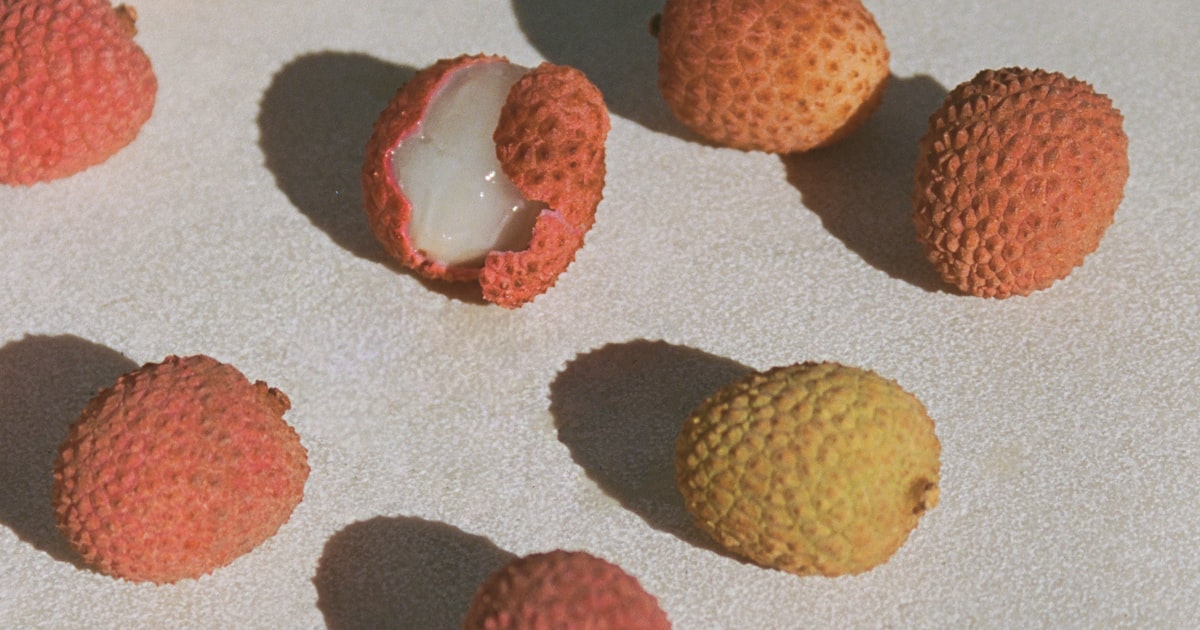
Every year, as the mercury climbs past 40°C across north Bihar in May and June, hospitals in Muzaffarpur brace for the same grim ritual. Children who ate litchis the previous evening and skipped dinner begin arriving at the Sri Krishna Medical College Hospital with sudden convulsions, altered consciousness, and dangerously low blood sugar. Locally called "Chamki Bukhar" (literally "convulsion fever"), this is Acute Encephalitis Syndrome (AES) — a disease that has recurred in Bihar for over two decades and remains, even in 2026, without a single universally agreed cause. While Bihar has recorded a welcome decline in AES deaths in recent years thanks to awareness campaigns and rapid glucose correction protocols, government health teams once again ramp up preventive drives every summer — because experts admit the underlying mechanism is still not fully resolved. If you have family in the litchi-growing belt of north Bihar, here is what you need to know before the next season.
What Is Acute Encephalitis Syndrome?
Acute Encephalitis Syndrome (AES) is not a single disease but a clinical syndrome — a set of symptoms (fever plus signs of brain dysfunction) that can have many different underlying causes. The World Health Organization defines AES as a person of any age, at any time of year, presenting with acute onset of fever and a change in mental status (confusion, disorientation, coma, or inability to talk) and/or new-onset seizures.
In India, AES is a designated notifiable disease under national surveillance, and cases cluster heavily in specific pockets — most infamously Muzaffarpur and neighbouring districts of north Bihar (Vaishali, East Champaran, Sitamarhi, Sheohar), where cases spike sharply every year between April and June, coinciding almost exactly with the local litchi harvest season.
AES Is an Umbrella Term, Not One Diagnosis
Nationally, AES has multiple recognised causes, including:
- Japanese Encephalitis (JE) — a mosquito-borne viral cause, more common during and after the monsoon (July–October) in states like Assam and UP.
- Scrub typhus (Orientia tsutsugamushi) — increasingly recognised as an important AES cause in several Indian states.
- Herpes simplex encephalitis and other viral causes.
- Bacterial meningoencephalitis.
- Toxic/metabolic encephalopathy — the specific pattern seen in Muzaffarpur, linked to hypoglycaemia (low blood sugar) in malnourished children, and strongly associated with unripe litchi consumption.
This blog focuses primarily on the Muzaffarpur-pattern AES, since it is the most India-specific and least globally understood form — but any child with fever and seizures should always be evaluated for the full range of AES causes, particularly JE and scrub typhus, since treatment differs.
The Litchi Connection: What Research Has Found
North Bihar, particularly Muzaffarpur, is India's largest litchi-growing belt. Investigations by India's National Centre for Disease Control (NCDC) and international researchers (published in The Lancet Global Health, 2017) found a strong statistical association between the outbreaks and two toxins naturally present in litchi seeds and unripe fruit: hypoglycin A and methylenecyclopropylglycine (MCPG).
How the Toxic Hypothesis Works
- These toxins interfere with the body's ability to synthesise glucose from fat reserves (a backup pathway the body relies on when it hasn't eaten).
- Malnourished children, who have low baseline glycogen (sugar) stores, are especially vulnerable.
- A child who eats a large quantity of litchis (particularly unripe fruit fallen from orchard floors) in the evening — and then skips or gets a light dinner, as is common in poor agricultural households during harvest season — enters the night with critically low blood sugar reserves.
- Overnight, severe hypoglycaemia develops, and the brain — which depends almost entirely on glucose for fuel — is starved of energy, leading to seizures and loss of consciousness by early morning.
Studies have found that the vast majority of Muzaffarpur AES cases occur in malnourished children, and cases cluster tightly around litchi orchards and harvest timing — but researchers are careful to note the picture may not be fully explained by litchi toxicity alone, and heat stress may compound the risk. This is why, despite two decades of study, Bihar's health department still describes the precise cause as unresolved even as case numbers have fallen with intervention.
Who Is Most at Risk
- Children aged 1–10 years in litchi-growing districts of north Bihar — this is overwhelmingly a paediatric illness.
- Malnourished and undernourished children — poor baseline nutrition sharply increases vulnerability to hypoglycaemic crisis.
- Children from agricultural labour households — where evening meals may be delayed, skipped, or insufficient during the harvest season, and children have free access to fallen litchis in and around orchards.
- Peak season: mid-April to mid-July, tracking almost exactly with the local litchi fruiting and harvest period, with a sharp decline once the season ends.
Children in Kolkata, Delhi, or other cities who occasionally eat litchis are not at meaningful risk — this pattern of AES is specific to malnourished children with heavy unsupervised litchi exposure in the endemic Bihar belt, typically eating fruit on an empty stomach for days during peak season.
Symptoms and Warning Signs
The presentation is often dramatic and rapid — most cases occur in the early morning hours, presenting as follows:
Early Warning Signs (Evening, Often Missed)
- Child has eaten a large quantity of litchis through the day
- Skipped or ate very little for dinner
- Mild lethargy or unusual quietness before bed
Acute Presentation (Typically Between 1 AM and 6 AM)
- Sudden onset seizures — often the first sign that alerts parents
- Altered consciousness — ranging from confusion to deep unresponsiveness
- High fever, though not always present in every case
- No warning cough, rash, or preceding illness in many cases — the child was apparently well the previous evening
- Rapid deterioration — a child who was playing normally can be unconscious with seizures within hours
Any child in the endemic belt with sudden seizures or unresponsiveness during litchi season is a medical emergency. Do not wait to see if symptoms resolve — go to the nearest hospital immediately, ideally one equipped to check and correct blood glucose urgently.
Diagnosis
Because AES has multiple possible causes, hospitals in endemic areas follow a structured workup:
| Test | Purpose |
|---|---|
| Random blood glucose (immediate, bedside) | Detects hypoglycaemia — the single most time-critical test; low glucose demands instant correction |
| CSF analysis (lumbar puncture) | Rules out bacterial/viral meningitis and encephalitis |
| JE IgM ELISA (blood/CSF) | Rules out Japanese Encephalitis as the cause |
| Scrub typhus IgM ELISA | Rules out Orientia tsutsugamushi infection, an important AES cause in many states |
| Blood culture | Rules out bacterial sepsis presenting with encephalopathy |
| Electrolytes and liver function tests | Assesses metabolic derangement severity |
| CT/MRI brain | In selected cases, to rule out structural causes and assess brain swelling |
Bedside glucose testing is the single most important — and time-sensitive — test in suspected Muzaffarpur-pattern AES, since correcting hypoglycaemia within the first hour dramatically improves outcomes.
Treatment
There is no specific antidote or antiviral drug; management is entirely supportive and time-critical:
Immediate Management
- Rapid correction of blood glucose — intravenous 10% or 25% dextrose is given immediately if hypoglycaemia is confirmed or even strongly suspected, without waiting for lab confirmation in emergency settings.
- Seizure control — IV anticonvulsants (phenobarbital, phenytoin, or diazepam) to stop ongoing seizures.
- Airway and breathing support — oxygen, and mechanical ventilation if consciousness deteriorates severely.
- Temperature management — active cooling for high fever, especially given the overlap with heat stress in peak summer.
- Treating the underlying cause if it turns out to be JE, scrub typhus, or bacterial meningitis rather than toxic hypoglycaemic encephalopathy.
Why Speed Matters
Outcomes in Muzaffarpur-pattern AES are strongly time-dependent — children who reach a hospital and receive glucose correction within the first hour or two of seizure onset have dramatically better survival and lower rates of long-term neurological damage than those who arrive after prolonged untreated hypoglycaemia. This is the single biggest reason Bihar's public health messaging in recent years has focused on "don't wait — rush to the nearest hospital or PHC immediately."
Prevention: What Every Family in the Litchi Belt Should Do
Bihar's State Health Society and NVBDCP (National Vector Borne Disease Control Programme, which also runs AES awareness) recommend simple, low-cost household measures that have measurably reduced cases and deaths in recent years:
The Four Key Rules
- Never let children eat litchis on an empty stomach. Give a meal or snack before allowing fruit consumption, especially in the evening.
- Ensure every child gets a proper, adequate dinner every night during litchi season (April–July) — do not let children skip or under-eat their evening meal, even during busy harvest days.
- Limit the quantity of litchis, especially unripe or fallen fruit picked up from the orchard floor, which has a higher toxin concentration than fully ripe, purchased fruit.
- If a child shows any unusual drowsiness, weakness, or reduced alertness at night, do not wait until morning — check for fever, and if anything seems off, go to the nearest health facility immediately, even at night.
Community-Level Measures
- ASHA workers and anganwadi centres in endemic blocks conduct door-to-door awareness campaigns before and during litchi season, reinforcing the "feed before fruit, feed at night" message.
- 108 ambulance services and PHC-level glucose testing have been strengthened in the endemic belt specifically for rapid AES response.
- Nutritional support programmes targeting chronic child malnutrition — since well-nourished children with adequate glycogen reserves are far less vulnerable even with litchi exposure.
- Encephalitis treatment centres at Sri Krishna Medical College Hospital (Muzaffarpur) and other district hospitals are on heightened alert and staffing during peak season (mid-April to July).
Beyond Bihar: Recognising AES Anywhere in India
While the Muzaffarpur litchi-hypoglycaemia pattern is the most distinctive Indian variant, parents anywhere in India should know that any child with sudden fever plus seizures or altered consciousness needs emergency evaluation, regardless of season or region — the underlying cause could be Japanese Encephalitis, scrub typhus, bacterial meningitis, or other treatable conditions, all of which need urgent, cause-specific management. Do not assume it is "just a febrile seizure" without medical evaluation, particularly in endemic districts.
For families managing a child's recovery after an AES episode — tracking follow-up EEGs, neurological assessments, nutritional rehabilitation, and paediatric follow-ups — organised records make a real difference. Upload every report to MedicalVault and use family sharing so grandparents, both parents, and the treating paediatrician all have the same complete picture, especially if follow-up care involves visits to a different hospital than the one that handled the emergency.
Key Takeaways
- Acute Encephalitis Syndrome (AES), locally called "Chamki Bukhar," is a decades-old seasonal illness in Muzaffarpur and neighbouring north Bihar districts, peaking April–July.
- It is linked to hypoglycin A and MCPG toxins in litchi, which trigger severe hypoglycaemia overnight in malnourished children who eat litchis without an adequate evening meal — though the exact mechanism is still debated by researchers.
- Sudden seizures and altered consciousness in the early morning hours, in a child who was well the previous evening, are the hallmark presentation.
- Immediate IV glucose correction is the most time-critical intervention — outcomes depend heavily on how fast a child reaches care.
- Prevention is simple and low-cost: ensure children get a proper dinner during litchi season, limit fruit on an empty stomach, and seek care immediately for any nighttime drowsiness or fever.
- AES has multiple causes nationally (including Japanese Encephalitis and scrub typhus) — any child anywhere in India with fever and seizures needs urgent medical evaluation, not just families in Bihar.
- Keep neurological follow-up records organised using MedicalVault's family sharing and report tracking — critical for children who need ongoing paediatric and nutritional follow-up after an AES episode.
If you have family in Muzaffarpur, Vaishali, East Champaran, Sitamarhi, or Sheohar, share the "feed before fruit, full dinner every night" message this litchi season — it remains the single most effective, low-cost step in preventing AES.